




The Rising Demand for 24/7 Infrastructure Support in SaaS
The global Software-as-a-Service ecosystem has grown rapidly over the last decade, and by 2026 the competition within the SaaS market has become more intense than ever before. SaaS platforms are now expected to deliver uninterrupted service, high security standards, and scalable infrastructure capable of supporting millions of users worldwide. Maintaining this level of performance internally is becoming increasingly difficult and expensive.
For this reason, many SaaS companies are turning toward outsourced infrastructure support and managed cloud support providers to ensure their platforms remain stable, secure, and operational around the clock.
Organizations that once relied on internal IT teams are now discovering that SaaS technical support outsourcing and DevOps outsourcing services provide a far more efficient and scalable approach to infrastructure management. By leveraging external experts who specialize in cloud infrastructure, server management, and DevOps automation, SaaS businesses can focus their internal resources on innovation and product development rather than routine infrastructure maintenance.
The Growing Complexity of SaaS Infrastructure:
Modern SaaS applications are no longer hosted on a single server or a simple hosting environment. Today’s SaaS ecosystems often rely on distributed cloud architectures, containerized deployments, microservices, and global content delivery networks.
This complexity requires continuous monitoring, advanced incident response systems, and real-time infrastructure optimization. Managing these elements internally demands highly specialized engineers and 24/7 operational coverage, which significantly increases operational costs.
Because of this complexity, companies are increasingly adopting managed cloud support services that provide continuous infrastructure monitoring, proactive maintenance, and immediate issue resolution. These services ensure that SaaS platforms maintain consistent uptime while minimizing the risk of outages that could affect thousands of users.

Why 24/7 Infrastructure Monitoring Is Essential for SaaS Platforms
Downtime is one of the most critical risks facing SaaS companies. Even a short outage can lead to financial losses, customer dissatisfaction, and reputational damage.
Continuous monitoring ensures that infrastructure issues are detected and resolved before they escalate into critical failures. This is one of the main reasons businesses rely on outsourced infrastructure support providers who operate dedicated monitoring centers that watch over systems around the clock.
Through proactive monitoring and incident response, outsourced teams can detect abnormal system behavior, performance bottlenecks, and security threats in real time. Instead of waiting for users to report issues, support engineers can address problems immediately and maintain consistent system performance.
Cost Efficiency Through SaaS Technical Support Outsourcing
Maintaining an internal infrastructure support team capable of providing 24/7 coverage requires a large workforce and substantial investment. Companies must hire engineers across multiple time zones, maintain training programs, and manage operational overhead.
SaaS technical support outsourcing offers a cost-effective alternative. Instead of hiring full-time engineers for every infrastructure task, companies can rely on specialized teams that already possess deep expertise in server administration, cloud infrastructure, and DevOps workflows.
This model significantly reduces operational expenses while providing access to experienced professionals who can handle complex infrastructure challenges efficiently.
The Role of DevOps Outsourcing Services in Modern SaaS Operations
DevOps has become an essential component of modern SaaS development. Continuous integration, automated deployments, infrastructure-as-code, and rapid scalability are now expected features of any competitive SaaS platform.
However, implementing and maintaining DevOps pipelines requires extensive knowledge of automation tools, cloud orchestration systems, and deployment frameworks. Many organizations lack the internal expertise required to manage these processes effectively.
By utilizing DevOps outsourcing services, SaaS companies can gain access to experts who specialize in infrastructure automation, CI/CD pipeline optimization, and cloud resource management. These professionals ensure that development teams can deploy new features quickly while maintaining system stability and security.
Managed Cloud Support and Infrastructure Scalability
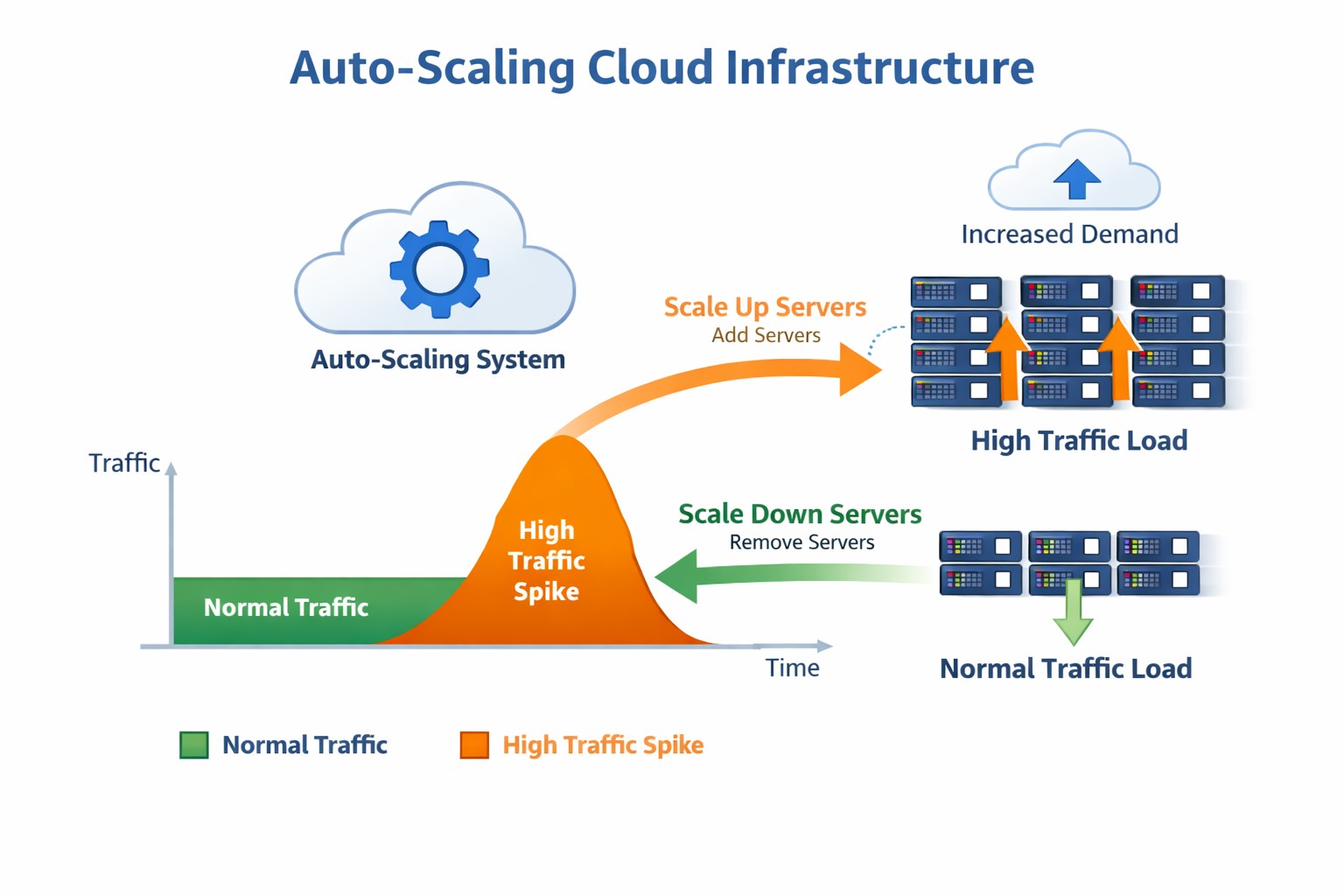
One of the greatest advantages of cloud computing is the ability to scale infrastructure dynamically. As SaaS platforms grow, they must be able to handle sudden spikes in traffic and rapidly expanding user bases.
Managed cloud support providers assist organizations in designing scalable architectures that can grow seamlessly with demand. They monitor system performance, optimize resource allocation, and implement automated scaling policies that ensure applications remain responsive even during high-traffic events.
By leveraging managed cloud support, SaaS businesses can maintain high performance without constantly adjusting infrastructure manually.
Security Advantages of Outsourced Infrastructure Support:
Cybersecurity threats have become increasingly sophisticated, particularly for SaaS platforms that handle sensitive customer data. Security breaches can lead to severe financial penalties, compliance violations, and loss of user trust.
Professional infrastructure support teams implement advanced security measures such as server hardening, intrusion detection, firewall optimization, and continuous vulnerability monitoring. These experts also stay updated with emerging security threats and apply patches promptly to prevent exploitation.
As a result, SaaS companies that adopt outsourced infrastructure support often achieve higher security standards than organizations relying solely on internal teams.
The Future of SaaS Infrastructure Management:
Looking ahead, the demand for outsourced technical expertise is expected to grow even further. As artificial intelligence, edge computing, and distributed cloud architectures continue to evolve, managing SaaS infrastructure will become even more complex.
Organizations that adopt SaaS technical support outsourcing, managed cloud support, and DevOps outsourcing services will be better positioned to adapt to these changes while maintaining reliable and scalable platforms.
By delegating infrastructure management to specialized experts, SaaS companies can concentrate on innovation, customer experience, and product growth while ensuring their platforms operate efficiently around the clock.
As your SaaS platform scales, infrastructure complexity grows.
Let our experts handle cloud monitoring, DevOps automation, and incident response so your team can focus on product innovation and growth.
Frequently Asked Questions
What is outsourced infrastructure support for SaaS companies?
Outsourced infrastructure support is a service where specialized external teams manage and monitor cloud servers, applications, and infrastructure environments for SaaS companies. This ensures continuous uptime, system reliability, performance optimization, and proactive monitoring without requiring a large in-house infrastructure team.
Why do SaaS companies prefer SaaS technical support outsourcing?
Many SaaS companies choose SaaS technical support outsourcing because it reduces operational costs while providing access to experienced infrastructure engineers. Outsourcing also ensures 24/7 monitoring, faster incident response, and scalable technical support as the SaaS platform grows.
What are DevOps outsourcing services?
DevOps outsourcing services involve hiring external DevOps specialists to manage CI/CD pipelines, deployment automation, infrastructure monitoring, and cloud scaling. These services help SaaS companies accelerate development cycles, maintain system stability, and improve software delivery efficiency.
How does managed cloud support help SaaS platforms?
Managed cloud support provides continuous monitoring, maintenance, security management, and performance optimization for cloud environments. This allows SaaS platforms to maintain high availability, prevent downtime, and scale their infrastructure efficiently as user demand increases.
Is outsourcing infrastructure support secure for SaaS companies?
Yes, professional providers of outsourced infrastructure support follow strict security practices including access control policies, monitoring systems, compliance frameworks, and incident management protocols. This ensures SaaS platforms remain secure and compliant.
What are the main benefits of DevOps outsourcing services for SaaS businesses?
The main benefits include faster software deployment, automated infrastructure management, improved reliability, and continuous monitoring. By using DevOps outsourcing services, SaaS companies can focus on product innovation while experts manage infrastructure operations.
Can small SaaS startups benefit from managed cloud support?
Yes. Managed cloud support is especially beneficial for startups because it provides enterprise-level infrastructure management without requiring a full internal operations team. This helps startups scale their SaaS platform efficiently while controlling costs.